"Cows are my passion. What I have ever sighed for has been to retreat to a farm and live entirely surrounded by cows–and china." – Charles Dickens

January 23, 2012

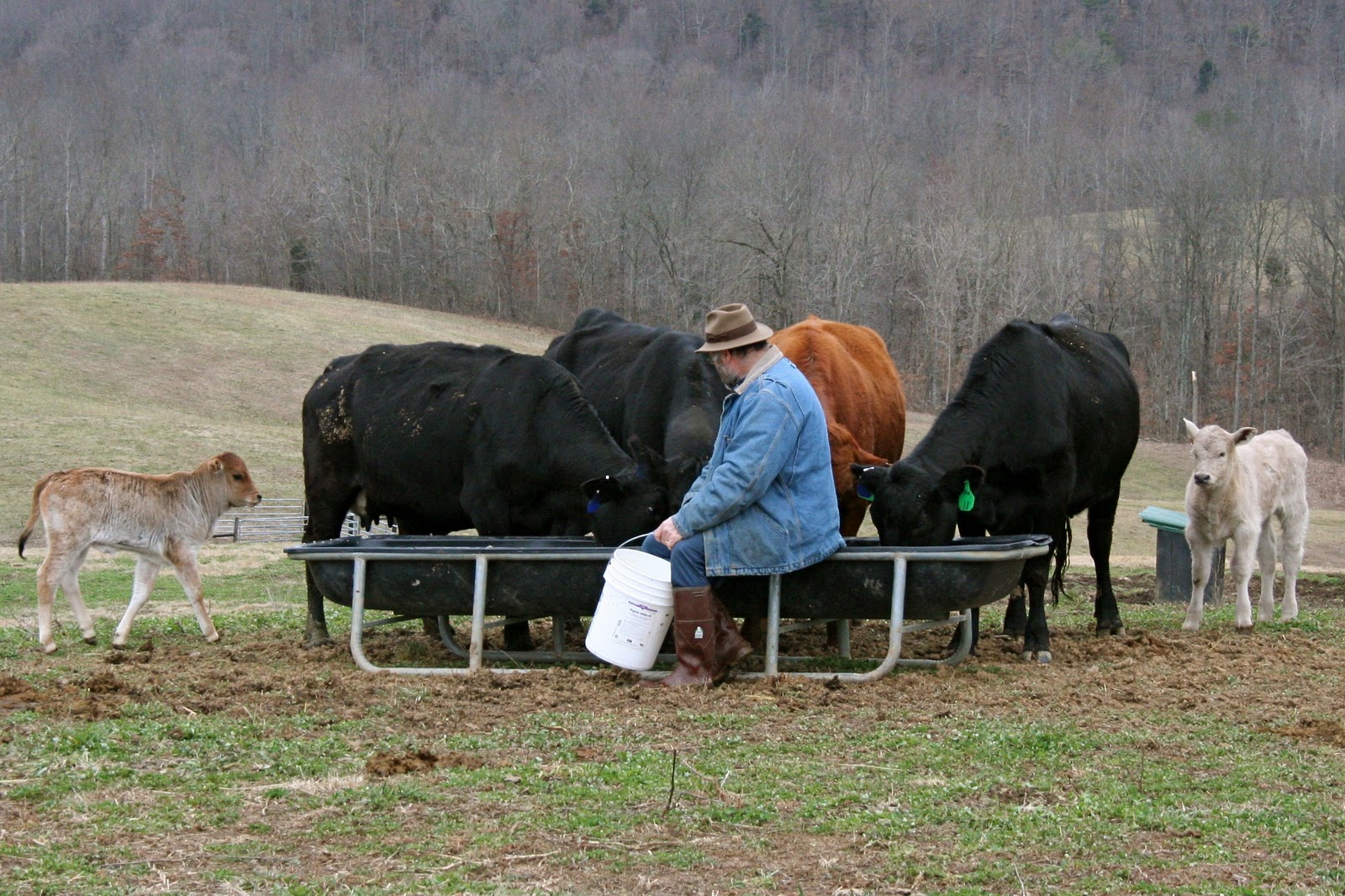
My Farmer, Outstanding in His Field (and out sitting, too)


You come back when you're ready!

Catherine

PS And I hope some of the readers who have returned here after reading my "Paula Deen" post (which got about 500 hits in five days) have come back for more. Usually it's more about farm life and frolic and recipes around here than it is about essays on celebrity. So, welcome!

January 17, 2012

Paula Deen is not the problem !

Paula represents all that is homey, buttery and sweet
in Southern cuisine. She is a true confection and even
preaches moderation. My one criticism is that she is often
too reliant upon cake mixes and canned soup in her recipes.
Food snobbery and elitism are alive and well in America. So Paula Deen has Type-2 diabetes. That's unfortunate, and curable, and she'll likely be making some lifestyle changes to try to reverse this: something from which everyone in her situation might also learn. Did she handle it well by announcing it with a commercial endorsement for a diabetes medication rather than coming out a few years ago when she was first diagnosed? Probably not and as a person in the food world that would have only helped her situation. (However no one is bashing Sally Field for needing and endorsing Boniva®) But to use this as fodder for more Paula bashing? Or the inevitable "See, we told you so-s!" or that Southern food is fat-laden, disease-creating poor man's slop? None of it is either accurate or fair.

This is like killing the messenger. Food has become a spectator sport in the United States and Food Network (and everything Martha Stewart) has helped fuel why we all love to watch food shows or read about food or photograph and blog about food. No wonder we are a nation of extremes in eating and food obsessives: denial, binge-eating, obesity and anorexia (or fitness anorexics) abound, there is gluten and lactose intolerance and diabetes is rampant. It's not because of the food but because of what's in the food (or that has been taken from the food). Since the middle of the last century, we've stripped our food down and filled or modified it with preservatives and chemicals and now we're reaping the consequences. Choice is also involved, too, but at the basis of this issue is our gradual departure from, and slow return to, whole and real food in the American diet. As a culture we also love to hate fat people: we applaud when someone loses the weight and then, just as easily, we turn on them for embracing their new bodies and being "all that." Or, just forever fat.

I come from a hale and hearty clan of German and Victorian era English-Americans from industrial Ohio on one side and mainline WASPs, via Boston and New York, on the other. Genetically, and in other ways, I am very much my father's daughter: clinically obese, stubby little elfin hands and feet, rather short and short-waisted. Could I be healthier? Yes. I'm sure I could fight my genetics kicking and screaming for hours each day by running or lifting weights. But in my life so far I've mostly chosen not to (and it's no surprise that I was never more fit before I owned a car and lived in Boston in fifth-floor walkups and still ate whatever I wanted, in moderation). I've never been athletic and I've always found comfort in food and in cooking or preparing it for my family and yes, even eating it. Unapologetically. I'm working on the "move more" part but I also realize, especially when looking at family photos, that I yam what I yam.

My father died in his mid-60s of complications that were surely triggered from decades of untreated sleep apnea. Most of my other relatives on his side lived into their 80s, 90s and beyond. Some died of cancer, from smoking, or from other reasons, but none related to their heftier genetic predispositions. Their hearts were strong! My father never had diabetes, despite his size, or high cholesterol or blood sugar or major heart trouble. In fact, I never heard of diabetes in my family. I am exactly the same as I approach fifty.

Meanwhile, my mother's side of the family is small and wiry. My maternal grandfather died at 63: he and my grandmother moved from suburban New York in post-war 1946 to live on a New England farm, raise their children and their own vegetables and farm-raised food. He was lean and fit, as were his six offspring. But he had a lifelong heart and cholesterol problem (I used to enable him when I learned to make chocolate chip cookies: he'd drive me uptown for the supplies on the down low!). My mother has inherited this, too, and had a massive heart attack in her late-50s. Now through exercise, diet and medication she is monitoring this disease. And yet in my family I've always been pointed towards as what you don't want to be: the poster child of the fat girl. Even as a teenager I was told, "Cathy, if you only lost 15-20 pounds..." Then what? If only I only had fifteen pounds to lose now!

Here in Kentucky we've befriended many in our local Old Order Mennonite community who still render their own lard, drink whole milk and make butter regularly from their own farms, make their own baked goods, and eat more than we do most of the time (large breakfasts and even larger noon dinners). They bake a lot of "treats" and don't eat fast food (perhaps an occasional special treat while shopping). They also grow most of their own produce and meat. So it is no surprise to me that they don't have a lot of obesity, or cancer or diabetes in their community. American farm families have traditionally been healthier when they eat their own food and often work it off, too, during the course of a day. Our big problem today in terms of health is inactivity and poor food choices. Not fat. It's just important to remember that not everyone gets fat, or diabetes, because they sit around all day, feasting on junk food, Coke and greasy main dishes (I am testament to that: we eat real food in our house and raise our own meat, eggs and some produce–or buy it locally). And we all know people who are thin and eat nothing but awful food.

Virginia Willis, an Atlanta-based chef and food writer, said it so beautifully in today's article on the subject in The New York Times:
"No one vilifies Michelin chefs for putting sticks of butter in their food," Ms. Willis said. "But when a Southern woman does it, that's tacky." (however) "Paula's food often reflects modern cooking and convenience foods more than Southern tradition...she feels like she cooks for 'real people' and for better or worse, that is how many people in this country chose to eat."
So the point of all of this is that we should not be quick to judge people based on their size or their diets or where they hail from in food world. There are plenty of healthy looking people out there who probably have all sorts of diseases based on their genetics and lifestyle choices (or addictions from alcoholism or smoking). I doubt Paula Deen eats fried chicken and three-layer frosted cakes 24/7 and lately, it would seem, that Ree Drummond, the Pioneer Woman blogger who now has her own Food Network show, is putting Paula to shame with all of her fatty, over-buttered recipes. (Do you think she really cooks for all of those ranch hands every day without additional staff?) Where is the outcry there? And no one is saying that Ina Garten should cut back on the rich foods in her kitchen or that Giada should maybe eat more. (And neither should they: Ina is a Food Goddess in my estimation and, like Paula, another self-made cook who started in the trenches of restaurants and catering.)

Food Network has become a circus and has only fed our food snobbery and elitist mindsets about the food foibles of American cuisine. If you want to read about the lusciousness of real food, without the guilt, anything by M.F.K Fisher, Julia Child, or Laurie Colwin, Alice Waters or Elizabeth David will fit the bill. They embraced, or still embrace, real food. Whole food. Good food–and usually without benefit of a sexy photo. [Further back there are the delightful Mrs. Appleyard books, the Blueberry Hill cookbooks by Elsie Masterston, and, of course, my particular favorites: those few books by Mary Mason Campbell, whom I hail in my book, The Pantry. And then there is the incomparable Della Lutes who wrote the best-selling classics The Country Kitchen, Home Grown and other books and domestic-related articles during, and before, the Great Depression.]

There's room for everyone in food world and I hope that this isn't just another excuse to beat on Southern cuisine from both coasts. Paula Deen has worked hard for her fame and fortune, starting from her own kitchen as an agoraphobic single mother peddling sandwiches. Let's cut her some slack and support her quest for better health as we all try to make our own lifestyle tweaks (or not). And if she has some fried chicken on occasion, so be it. Butter and lard and sugar are not the problem with the American diet: chemicals and preservatives and high fructose corn syrup have created the food crisis we are having now. And fast food super-sizing, no doubt. It's always about moderation in all things.

But well-intentioned home cooks who might happen to become food celebrities, who are just keeping it real in their kitchens and sharing the love, even if it involves a bit of fat and sugar on occasion? They will never be the problem with the American diet.

You come back when you're ready!

Catherine


January 15, 2012

Housekeeping

It's that time of year! 2012 is upon us and I'm doing some major housekeeping: of our home spaces, my office, and my blog and web presence. I have a new personal author site that I will now be able to keep routinely updated at CatherinePond.com. In the next few months I will also be uploading and linking direct PDF links to published magazine articles and online articles. You can now browse pantry-related things on a new tabs feature on my In the Pantry blog.

In honor of this organizational frenzy (which includes my actual pantries) and a new self-imposed frugality (I haven't spent a penny on anything since before New Year's, including groceries), I am happy to announce that copies of my book, The Pantry, are now available for only $10, plus shipping! This is not a book you'd want on an e-reader and, at this price, it's worth having it on your coffee table. They make a great gift or inspiration for your own home.

Why am I doing this, you ask? Several years ago my publisher was going to remainder the books, originally sold at $16.95 (and a bargain at that price). I knew there was still a market for The Pantry, based on people who follow my blog and who often ask me pantry-related questions. And, it remains the only book exclusively on pantries and their history and design in the American home. So I bought all copies back from the publisher that hadn't sold, save for a few they held back for Amazon (about 100 and I believe they are all gone now), and have been selling them ever since.

It's hard to write and market your own work but there it is. I just want to share something with you of which I am proud and that I also believe in: a pantry, of some kind, in every home. And to thank you for your loyal readership over the years: at my blogs and elsewhere.

Now available for only $10.00 (plus $4.95 shipping and handling) 
exclusively from the author (sent media mail with delivery confirmation). 
Click "Order THE PANTRY" for more information, or order directly below.


Includes autographing and/or inscribing, if desired, 
Inquire about wholesale discounts or other sales at info@CatherinePond.com

January 14, 2012

Cute Animal Files: Edgar Time!


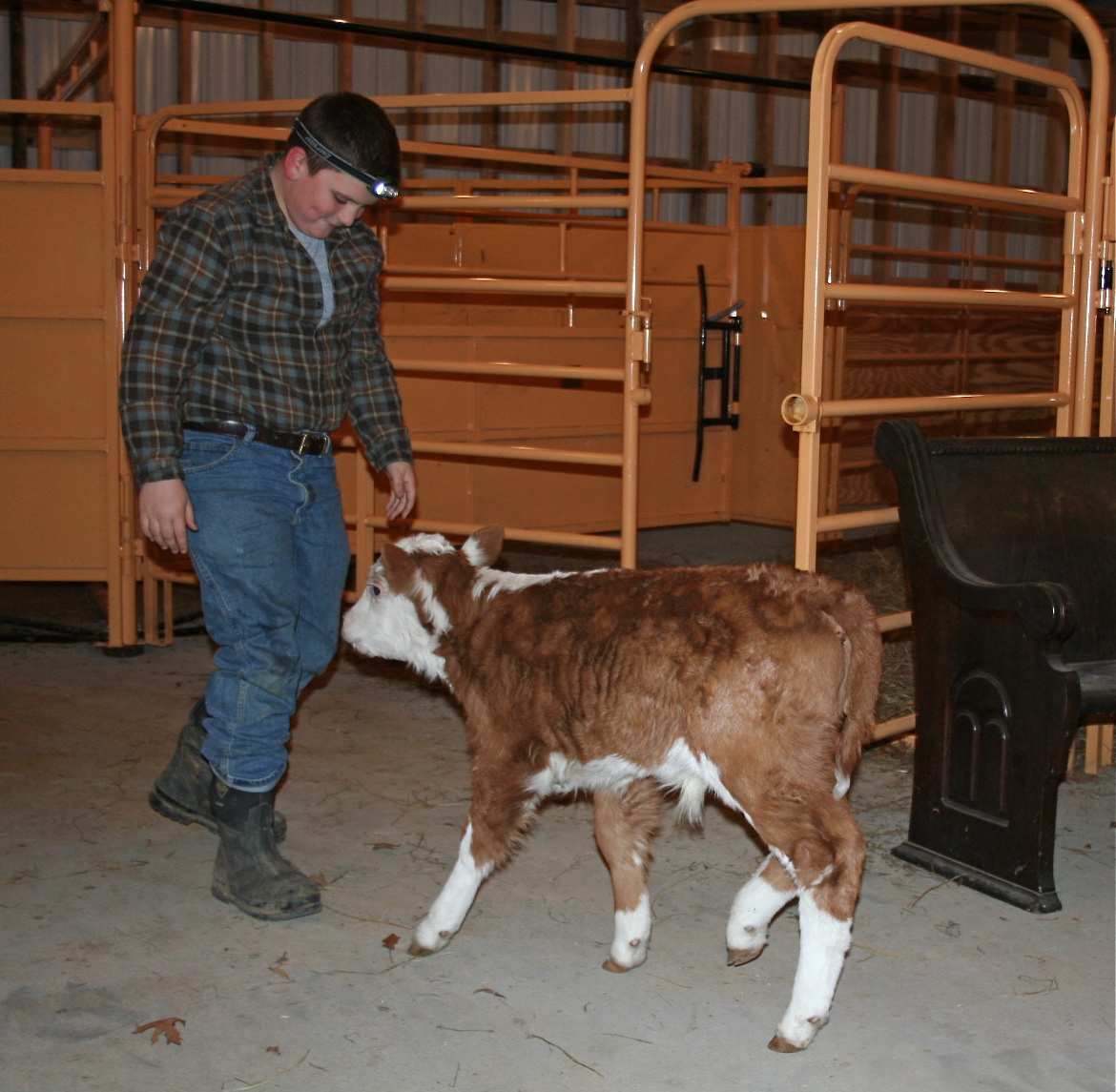
We know that Edgar is a cow and that our purpose here is to raise grass-fed calves and beef cattle. As Edgar was abandoned by his mother, we are left to raise him. Right now he resides in a straw-strewn makeshift manger in our cattle-sorting building. He is fed twice a day and often has the doors open for sunlight, or to roam around outside (he just follows whomever he is with) in a larger paddock. When he is a bit older he will be let in with the other calves. Yet he will always be more comfortable with humans. 


As he will remain a bull, we will never be able to trust him entirely when he is fully grown. We will keep him here on the farm but we can't do this with every orphan. It's a reality I'm learning to accept. We raise meat, not pets. I only name the ones who stay with us.


But Edgar is now clearly a pet. And cute. And somebody's baby. That's the humanized element to raising animals that we don't eat. The reverse is that we eat some mammals and others we domesticate. It seems odd when you really think about it. For many years buying meat in the grocery store, which we still do on occasion, just made it a more abstract reality. When meat is portioned and pieced and slick-wrapped you don't necessarily think about where it comes from.


This is changing in our food world. People are thinking. They are asking important questions, wanting to know how an animal or vegetable was raised or where and with what means? If they choose not to eat animal products, that's fine, too. But for those who do there are solutions to factory farming. There are sustainable ways to raise or grow our food.


There are studies out now that show how beneficial grass-fed beef is compared to those raised on grain on a factory-farm. It doesn't necessarily have to be organic, either (very few farms are able to be 100% organic but many are close without being official: we are trying to get years of chemicals out of our pastures). Grass-fed beef has lower cholesterol, lower fat, better vitamins and minerals. And the cows were likely happier–although we're not exactly in a position to ask them or even determine this human emotion as applied to bovines.


That is perhaps the main reason we are now living on a farm: we want this sustainability in our own lives and for our children and to live from the land without depleting it.

You come back when you're ready! 

Catherine

January 13, 2012

Hearty Seafood Chowder


Being from New England, I have learned the fine, but easy art, of making chowder. Recently I wrote a guest blog for a fellow Kentucky Food Blogger, Mindy Wilson, while she is tripping around Europe, tasting Viennese pastries and all manner of wonderful foods, with her professor husband on a college class excursion. I had suggested corn chowder, knowing that January can often be perfect for such meals (well, at around 55 degrees until the past few days, it's actually been quite balmy). Click here for that recipe and blog post at The World in My Kitchen. [And yes, I really did spill chowder on the Mayor of Lincoln, England in my first, and last, catering attempt!]

It is versatile and the basic chowder can translate into corn, seafood, fish or clam. What was fun was writing down the recipe, at last, for Mindy's blog, and then realizing I could, with a few minor tweaks, make it into other chowders. While I made the corn chowder for The World in My Kitchen before Christmas, the other day I finally made our Christmas Eve Seafood Chowder (for New Year's instead). And, I was pleasantly surprised that about $15 worth of frozen seafood (cod, shrimp and scallops) at Walmart was practically indiscernible from using fresh (which would have been far more expensive here in Kentucky: although Lexington Seafood is the place to go for a fresh splurge, which we do about once a year).

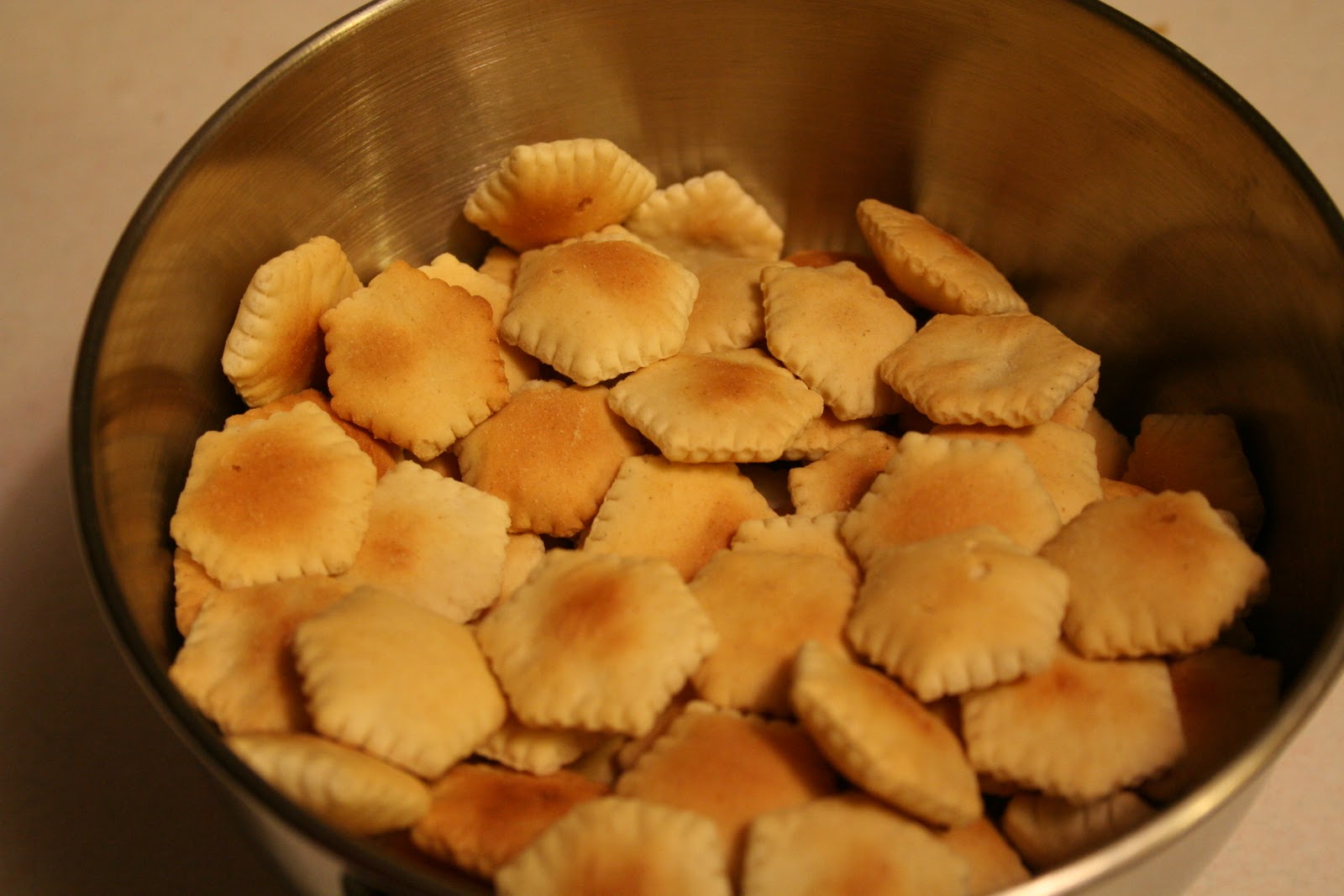
This is a hearty milk-based soup with New England origins–perfect on a cold winter's day with a loaf of crusty bread (or better yet, oyster crackers). You can also use this recipe, with minor changes, to make any number of *chowders [see below]. In about an hour, from start until serving, you will have a big vat of chowder to feed many appetites––and, if you are lucky, you'll even have leftovers for the next day. Chowder is even better once the flavors have had a chance to meld.

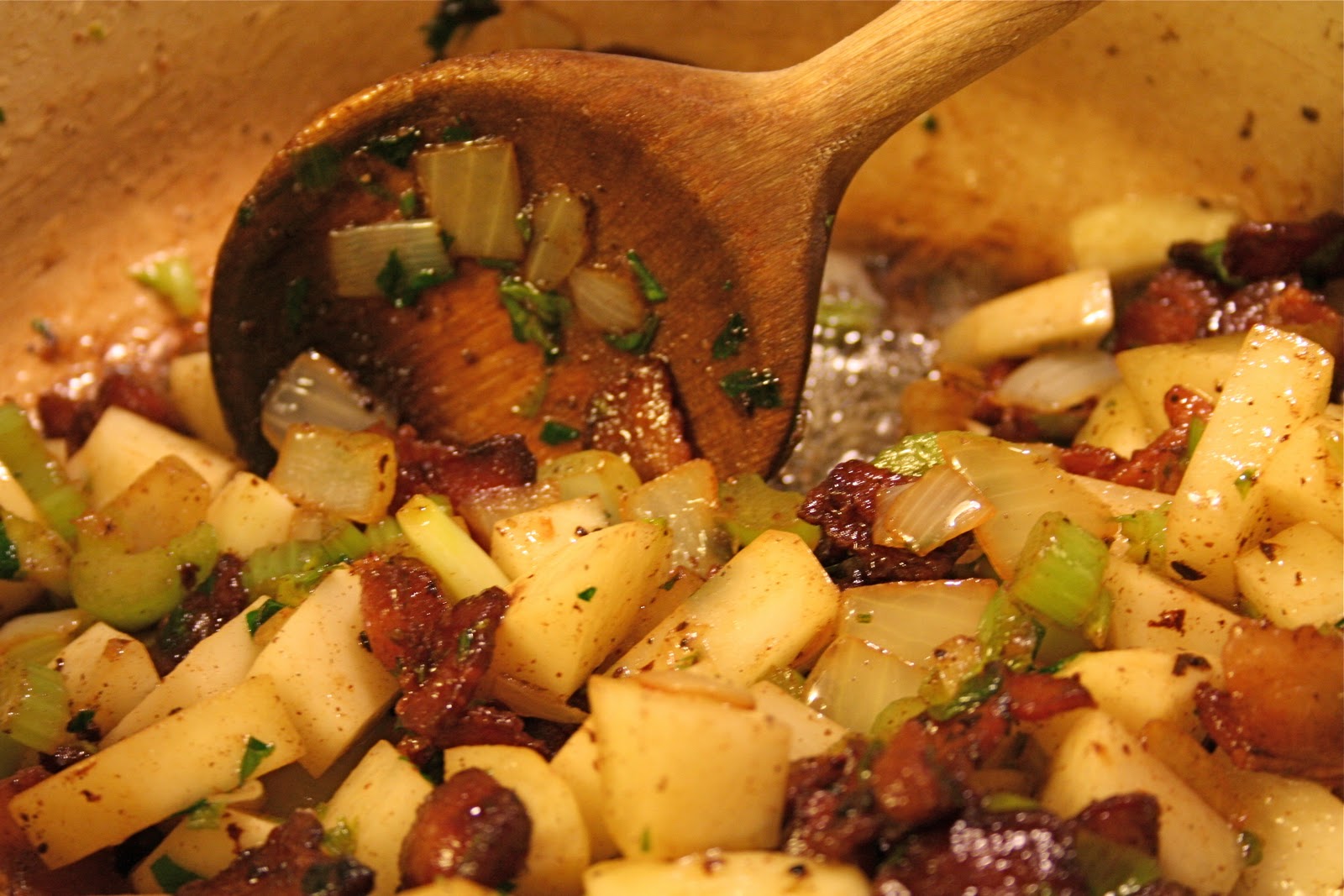
The roux, as it is thickening, before transferring to a larger kettle.


Hearty Seafood Chowder
  • 12 oz. (3/4 pound) diced bacon (we prefer using smoked bacon and usually our own)
  • 1 heaping Tbsp. minced garlic
  • 1 large sweet onion, chopped (you can add a bit of red onion, if desired)
  • 1 cup celery, chopped (include some leaves)
  • 1 cup diced red bell pepper (OPTIONAL: I did not add this because my husband does not care for red peppers)
  • 1/3 cup chopped parsley
  • 4 large baking-sized potatoes, peeled and diced
  • 1 quart fish or lobster stock (if not, chicken stock will do)
  • 1 Tbsp. Kosher salt
  • lots of fresh ground pepper
  • liberal dashes of sweet Hungarian paprika
  • 3/4 cup flour, or more, depending on how thick you'd like it
  • 6-8 cups whole milk (you could use other kinds of milk but whole works best)
  • 2-3 pounds assorted fresh (or uncooked and previously frozen) seafood in any combination: scallops, shrimp, tilapia, cod, clams, lobster, etc.
  • 1 cup heavy cream (or half-and-half, if you must)


  1. On medium high heat in a Dutch oven, large skillet or heavy-duty stock pot, cook bacon, with garlic, until almost done and starting to crisp up a bit. Stir frequently and do not drain!
  2. Add onions, celery, parsley (and red bell pepper, if desired) and cook until translucent.
  3. Add salt and pepper. Stir.
  4. Add diced potatoes. Stir for several minutes.
  5. Add the flour (3/4 cup if you want a slightly thicker chowder) and stir well.
  6. Add 1 quart chicken stock and stir until thickened and bubbly.
  7. Add paprika (about one large teaspoon).
  8. Set to low, stirring occasionally, until potatoes are done, but not too soft (about 15 minutes).
  9. Transfer your chowder "roux" to a large 2-gallon kettle. 
  10. Heat on low, with 6-8 cups whole milk until just before boiling (do not boil!). Stir well as mixture will start to thicken somewhat from the roux.
  11. Add the seafood, chopped into bite-sized morsels (frozen is fine and you don't have to thaw it unless shelling the shrimp: the cod or tilapia will likely flake on their own).
  12. Cook on low, stirring frequently, until nicely heated.
  13. Shortly before serving, add heavy cream and stir in.
  14. Serve with homemade croutons, a good crusty bread or old-fashioned oyster crackers.
I like to turn off the kettle when the chowder is done, cover it, and take it off the burner. This will keep it warm until supper but will assure that the soup doesn't boil. You can also freeze this. It makes almost two gallons, too, so perfect for a crowd or for a stretch of easy meals.

And remember, you can take the girl out of New England, but you can't take New England out of the girl!


NOTES:

*The wonderful beauty of this chowder is, with a few minor changes, you can readily make it into a Corn Chowder, New England Clam Chowder, or Fish Chowder (or any number of things: mushroom, hearty vegetable, etc.) Here's how:
  • For CORN, use 1 quart chicken stock and eight cups canned, frozen or fresh corn (or a combination) in place of seafood;
  • For CLAM, use 1 quart clam broth and 1-2 quarts fresh shucked clams (or canned);
  • For FISH, use 1 quart fish stock and 2 pounds chopped up fresh (or frozen) fish (Cod works best as it holds up well in the soup).
  • For OYSTER, use 1 quart fish stock (which can include the oyster "liquor") and 1 quart of fresh, frozen or canned oysters. Oyster Stew uses whole oysters without the potatoes and bacon etc. and Oyster Bisque is when the oysters have been cooked in their own broth, and milk, with a bit of seasoning, and then put through a blender: we always had this for the soup course at Christmas Eve at my grandparents' in Akron. Wonderful food memories there!
[You can also use chicken stock instead of fish stock, which can be harder to find and more expensive.]

You come back when you're ready! 

Catherine